Arkistot
-
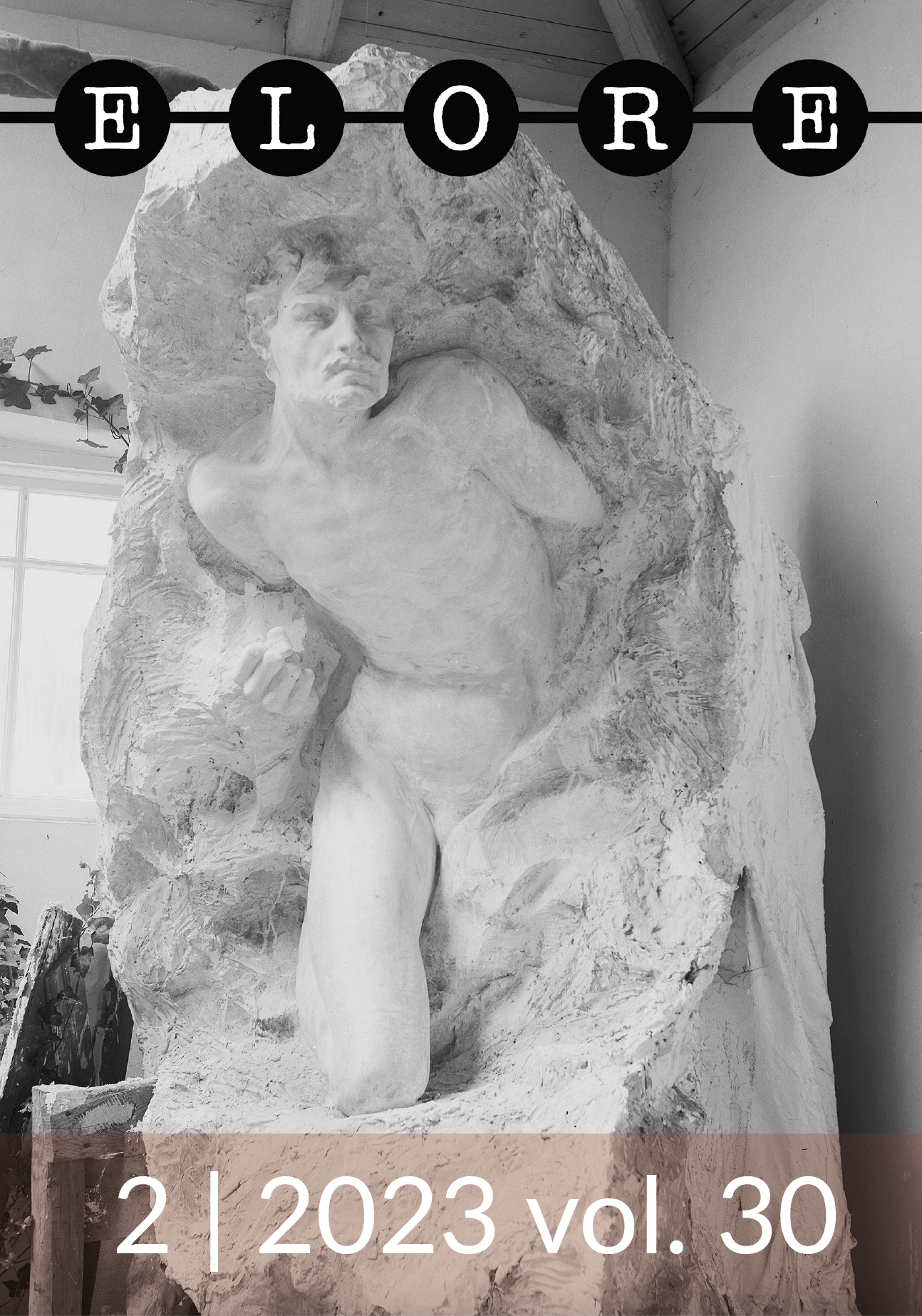
Vol 30 Nro 2 (2023)
Elore 2/23 on teematon numero, jonka neljässä vertaisarvioidussa artikkelissa sivutaan henkisen kehityksen ja voimaantumisen mahdollisuuksia. Kahdessa artikkelissa tarkastellaan shamanismia autoetnografisella otteella. Helena Karhu tutkii artikkelissaan shamaanirumpujen syntyyn ja käyttöön liitettyjä merkityksiä omakohtaisten kokemusten ja rummuntekijöiden haastattelujen kautta. Hanne Metsähisen ja Jaana Kourin yhteistyönä toteutettu autoetnografia keskittyy shamanistisen parannustapahtuman vuorovaikutuksellisuuteen, tarkastellen sitä erilaisten toimijoiden – sekä inhimillisten että ei-inhimillisten – yhdessä kuvittelemisena. Nika Potinkara käsittelee artikkelissaan 1940-luvulla pakolaisena Ruotsiin päätyneen inkerinsuomalaistaustaisen Jalo Rowéuksen elämänkerrontaa. Yhtenä Rowéuksen kerronnan keskeisenä piirteenä on selviytyminen, kärsimyksestä vapautuminen sekä sisäinen muutos. Numeron neljäs ja viimeinen, Olli Viitaniemen laatima artikkeli tarkastelee Savo-Karjalan herännäisyyden alkuvaiheita rahvaan kirjallistumisen, eletyn uskonnon ja uskonnollisen auktoriteetin oikeuttamisen näkökulmista.
(Kansikuva: Axel Ebbe, Mannen som bryter sig ur klippan. Kipsi. © Trelleborgs museum. Valokuva Otto Ohm.)
-
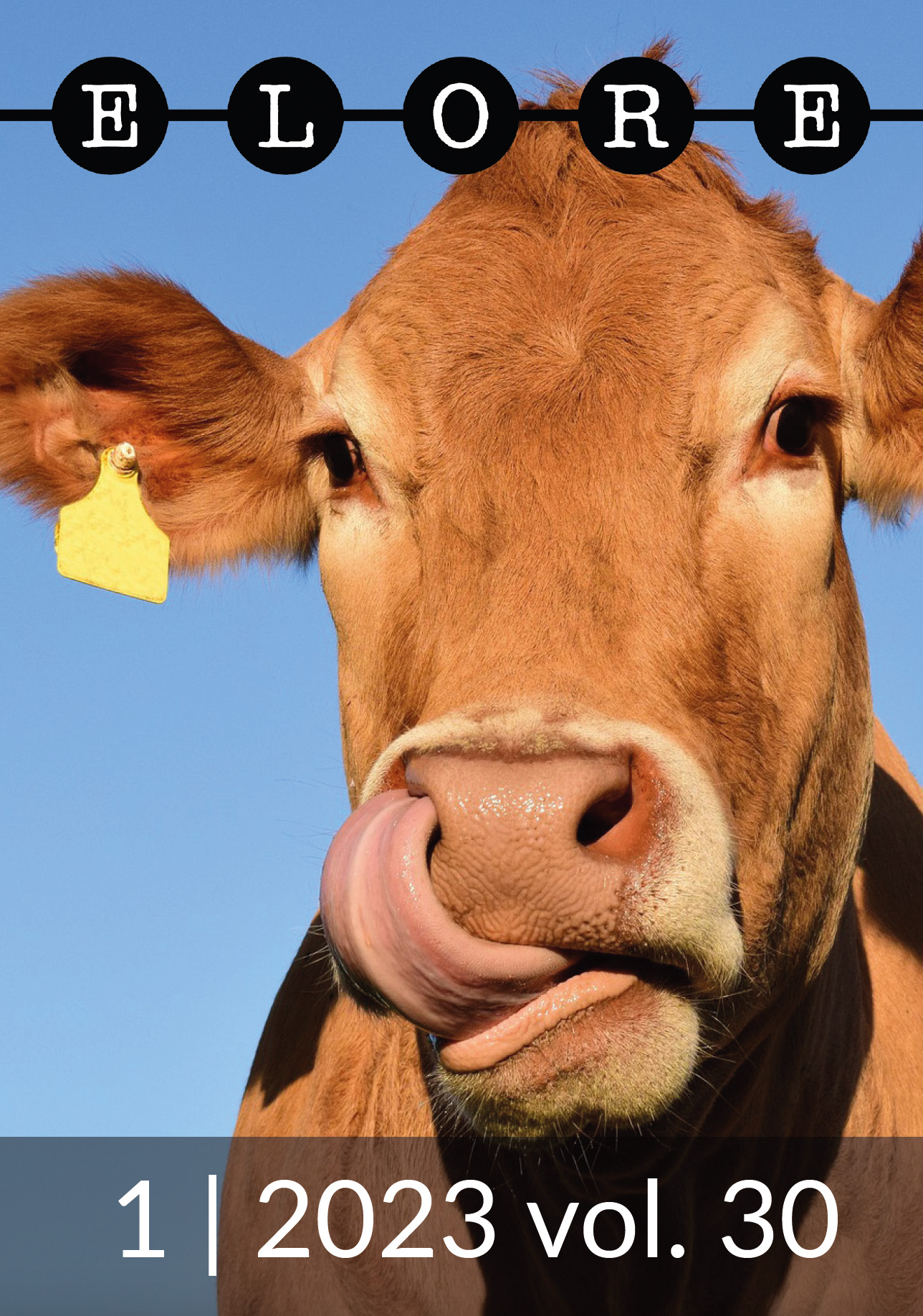
Vol 30 Nro 1 (2023)
Kevään vapaateemainen Elore esittelee kolmen artikkelin voimin uusia tulokulmia luontosuhteeseen, tutkimusaineistoihin ja tieteiden rajoihin. Numeron aloittaa Maria Vanha-Similän artikkeli, jossa tarkastellaan nautakarjatiloille suunnatun valokuvauskilpailun satoa kysyen, miten karjatilalliset ovat kuvanneet ja tulkinneet omaa arkeaan. Numeron toisessa artikkelissa hyödynnetään kahta erilaista aineistoa: puuaiheista nykyrunoutta sekä lempipuuaiheisen verkkokyselyn vastauksia. Karoliina Lummaa, Kaisa Vainio, Aino Korrensalo, Tuomo Takala ja Eeva-Stiina Tuittila osoittavat artikkelissaan, kuinka ihmisen minuus ja identiteetti voivat jäsentyä suhteessa puihin niihin liittyvien muistojen ja kokemusten perusteella. Kati Kallion, Maciej Janickin, Eetu Mäkelän, Jukka Saarisen, Liina Saarlon ja Mari Sarvin laatimassa, numeron kolmannessa artikkelissa lomitetaan laadullisia ja määrällisiä menetelmiä. Folkloristit ja tietojenkäsittelytieteen edustajat avaavat suomalaisten ja virolaisten kansanrunoaineistoien tallentamis- ja järjestelyhistoriaa ja aineistojen määrällisiä ominaisuuksia sekä luovat katsauksen sähköisten välineiden käytön mahdollisuuksiin ja ongelmakohtiin.
Kannen kuva: Pixabay / Ulleo
-
Tunteet, ruumiillisuus ja ideologiat suullis-kirjallisissa aineistoissa
Vol 29 Nro 2 (2022)Teemanumeron keskiössä ovat ruumiillisuuden ja ideologioiden näkökulmista tarkastellut tunteet, emootiot ja affektit. Teemakokonaisuus sisältää neljä artikkelia, joiden käsittelemät aiheet, aineistot ja aikakaudet tarjoavat lukijalle monipuolisen matkan tunteiden maailmaan erilaisissa suullis-kirjallisissa aineistoissa. Matkalla tarkastellaan muun muassa seksiä ja seksuaalisuutta koskevien kalevalamittaisten runojen vastaanottoa 1800- ja 1900-luvuilla ja päädytään nykyitkuvirsiin ja niiden affektiivisiin käytäntöihin tutkijan ja muusikko-itkijän välisen dialogin muodossa. Teema-artikkeleiden ohella numero tarjoaa Pauliina Aarvan, Tiia-Tuulia Kankkusen ja Tiina Väänäsen artikkelin ”Elämäni on muuttunut kokonaan”, jossa tarkastellaan luontaishoitojen käyttöön liittyviä perusteluita ja hoidoista saatuun apuun liittyviä kokemuksia.
Teemanumeron vastaavat toimittajat: Niina Hämäläinen ja Heidi Henriikka Mäkelä
-
Arkipäivän esineet sekä rajojen ja liikkumisen kokemukset
Vol 29 Nro 1 (2022)Eloren 1/2022 teemanumero Arkipäivän esineet sekä rajojen ja liikkumisen kokemukset on syntynyt hankkeesta Kadonnut kinnas ja muita tarinoita – rajojen ja liikkumisen kokemukset sekä uudet naapuruudet. Tieteellistä tutkimusta ja taidelähtöisiä menetelmiä yhdistävässä hankkeessa on tarkasteltu erilaisten rajojen ja liikkumisen kokemuksia sekä uusien naapuruuksien ja dialogin rakentumista esineiden ja esineistä kertomisen kautta.
Tavoitteena on ollut, että tieteellinen tutkimus, taiteellinen työskentely ja taidelähtöisten menetelmien hyödyntäminen hankkeen eri vaiheissa voisivat yhdessä avata tutkimuskohteisiin (rajoihin, liikkuvuuteen, uusien naapuruuksien rakentumiseen ja dialogiin) sellaisia näkökulmia, joita tutkimus tai taide eivät voi yksinään tavoittaa.
Teemanumeron ulkopuolisissa artikkeleissa kuulostellaan Lammasjärven kalliomaalausten laulumaisemia, tarkastellaan Zoom-välitteisen ryhmähaastattelun kehkeytymistä sekä syvennytään vapaaehtoisen lapsettomuuden ja tulevaisuudenkuvien keskinäissuhteisiin.
-
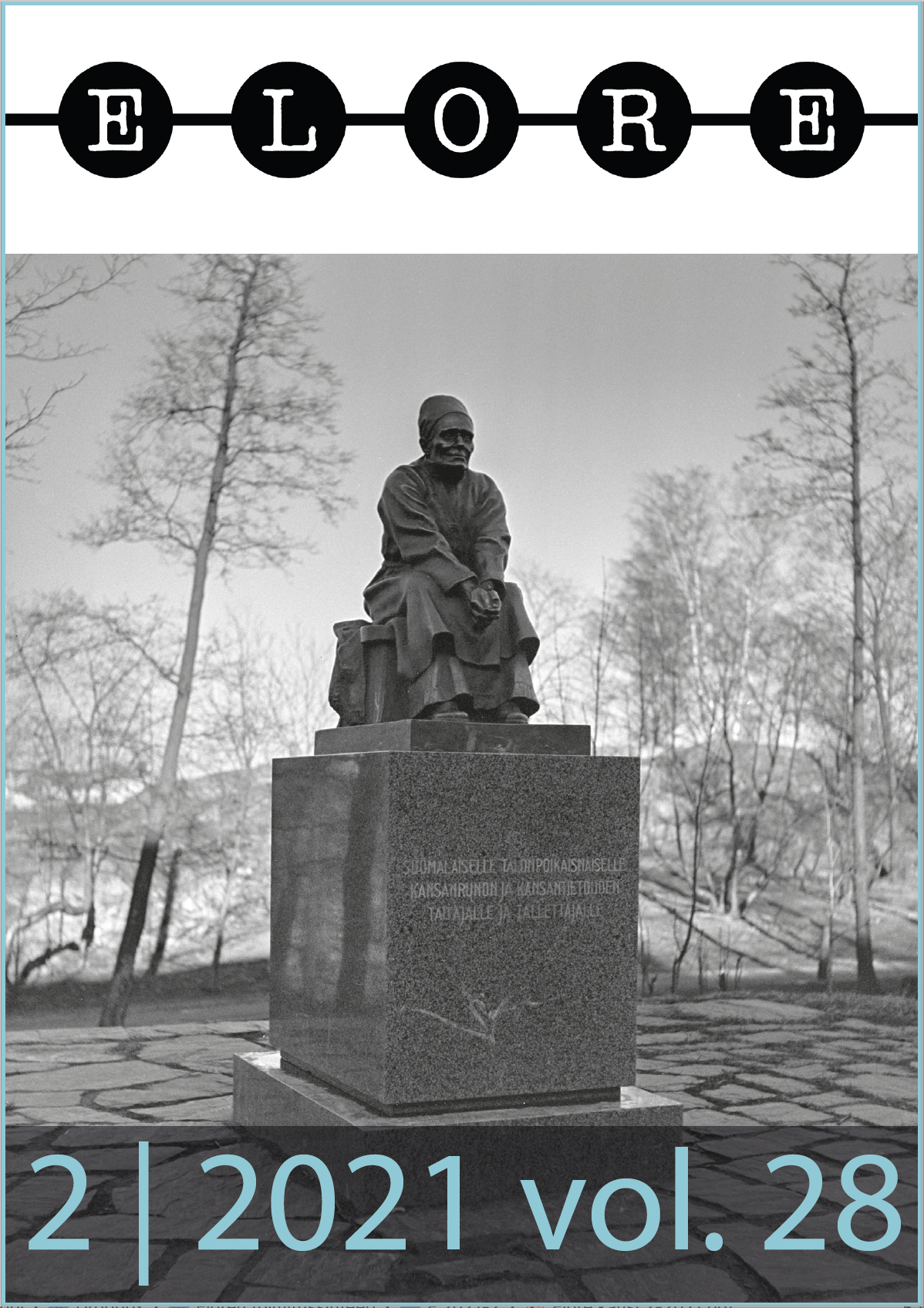
Vol 28 Nro 2 (2021)
Eloren 2/2021 aloittaa Elli-Mari Aholan kirjallisuustieteestä ammentava artikkeli Kalevalaa hyödyntävistä muunnelmaromaaneista, joka syventyy eepoksen syntyhistorian uudelleenesittämisiin uusissa suomenkielisissä romaaneissa. Anssi Neuvosen ja kumppaneiden artikkeli karjalaisista muistin paikoista Helsingissä vaeltaa tarkkanäköisesti Karjalaa muistavissa helsinkiläisissä paikoissa, joissa limittyvät Helsingin arkkitehtuuri ja sen aineellisuus sekä muisteltuKarjala ja historiakulttuuri. Sonja Hagelstamin tekstissä analysoidaan YK-rauhanturvaajien valokuva-albumeita ja suunnataan katse kohti valokuvien esittämää kehollis-diskursiivista prosessia, jossa ”kalkkilaiva”-valkoisesta aloittelevasta rauhanturvaajasta tulee ruskettunut ”taistelija”. Meri Kytö tarkastelee kauden mukaisessa artikkelissaan jouluisaa taustamusiikkia ja sen kokemista kaupunkitilassa, sekä ehdottaa jouluisalla musiikilla kaupungin koristeluaerityiseksi kalendaarisesti ajoitetuksi taustamusiikkikäytännökseen. Kaarina Koski ja Pasi Enges erittelevät numeron päätösartikkelissa metsänpeiton eli epätavallisen eksymisen erilaisia tulkintamalleja ja sen selitysten variaatiota ja muutosta kansanomaisissa ja tieteellisissä diskursseissa.
Kannen kuva: Runonlaulaja Larin Paraskea esittävä veistos Hakasalmen puistossa. Kuvanveistäjä Alpo Sailo teki veistoksen 1936 suunnitteilla olleeseen Kalevala-taloon, jota ei kuitenkaan rakennettu. Helsingin kaupunginmuseo, kuva Börje Dilén 12.4.1953. CC BY 4.0
-
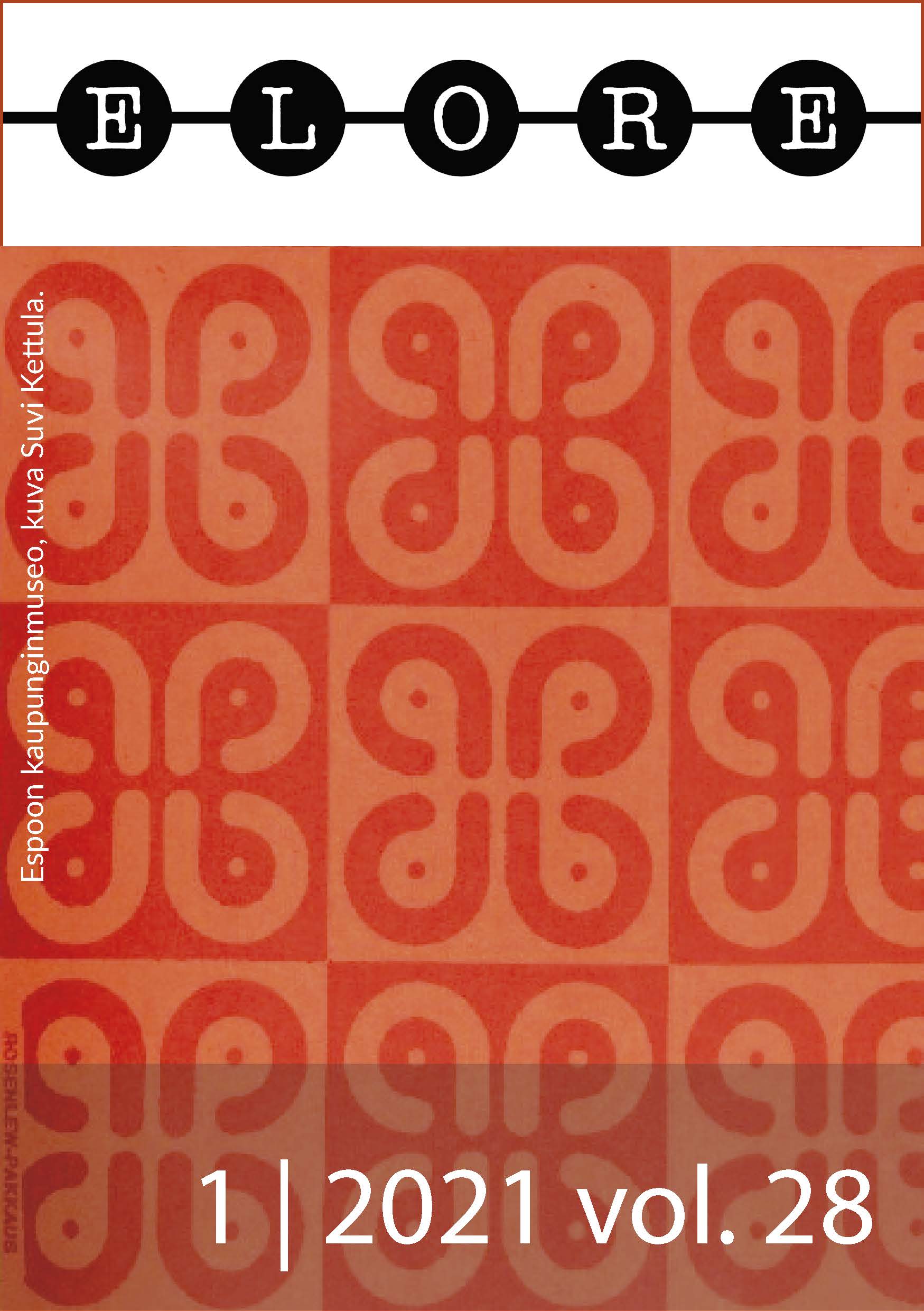
Vol 28 Nro 1 (2021)
Eloren vuoden 2021 kevätnumerossa käydään keskusteluja perinteen ja kulttuuriperinnön olemuksista ja niihin liittyvistä valikoinneista. Marko Lambergin artikkelissa tarkastellaan Suomen ja sen itäisten ja kaakkoisten lähialueiden suullisen kansanperinteen kuvauksia esimodernin ajan Tukholmasta. Suomen-, karjalan- ja inkerinkielisen (runomuotoisen) ja toisaalta myös ruotsinkielisen (proosamuotoisen) perinteen analyysi nostaa näkyville sen, miten kansanperinneaineistoissa ”toiseksi” miellettyjen alueiden ja paikkojen kuvaukset heijastavat sekä niihin liitettyjä yliluonnollisia ja arjesta toiseutettuja elementtejä että niiden yhteyksiä materiaaliseen maailmaan. Joonas Ahola taas tuo artikkelissaan esille, miten kalevalamittaiset runolaulut, niiden laulajat ja niiden julkaisualustat kytkeytyivät neuvostoideologiaan 1900-luvun Venäjän Karjalassa. Aholan artikkeli osoittaa, mihin perinteen, kulttuuriperinnön, omistajuuden kysymysten ja politiikan kytkökset voivat äärimmillään viedä.
-
Vol 27 Nro 2 (2020)
Eloren vuoden 2020 toinen lehti on teematon numero, joka sisältää kolme vertaisarvioitua artikkelia. Numeron aloittaa Joonas Aholan teksti Kalevala- ja kansanperinnediskursseista suomenkielisessä neuvostokarjalaisessa lehdistössä 1920–1950-luvuilla. Ahola analysoi neuvostokarjalaisten Kalevala-käsitysten olleen pitkälti suomalaista tuontitavaraa, jonka tulkinta uudessa viitekehyksessä kääntyi lähtömaahan nähden poliittis-ideologiseksi negaatiokseen – ja Kalevala karjalaisuuden ja työväenluokan asiaksi. Numeron toisessa artikkelissa Taarna Valtonen tarkastelee Ylä-Tenon saamelaisten maisemaskeemoja kielen- ja nimistöntutkimuksen näkökulmasta. Perinteen, paikkojen ja paikannimien kolmitahoinen analyysi viittaa maiseman kulttuurisen ymmärryksen monimuotoisuuteen yhteisön sisällä ja kertoo lisäksi 1960–1970-lukujen kerronnan muutoksesta, jonka myötä yliluonnollisten aiheiden sijaan alettiin korostaa henkilöperinnettä. Kolmantena Viliina Silvosen artikkeli käsittelee karjalaisten itkuvirsitallenteiden tulkintaa nykyperspektiivistä. Tunne- ja affektitutkimuksen sekä arkistotutkimuksen risteykseen paikantuva teksti syventyy ennen kaikkea apeutumisen tematiikkaan ja esittää tästä näkökulmasta jaottelua kolmenlaisiin itkuvirsiesityksiin: apeutuviin, tunnetta jäljitteleviin ja tunneilmauksettomiin.
-
Vernakulaari
Vol 27 Nro 1 (2020)Tämän teemanumeron aihe on vernakulaarin käsite. Numeron neljässä artikkelissa vernakulaaria lähestytään käsitehistoriallisesta ja tapaustutkimusten näkökulmasta. Artikkeleissa tarkastellaan ensinnäkin sitä, minkälaisia merkityksiä vernakulaarin käsitteellä on ollut eri aikoina. Toiseksi niissä eritellään, minkälainen asema vernakulaarin käsitteellä sekä sille annetuilla merkityksillä on ollut eri tieteenaloilla ja niiden tutkimuskohteiden määrittelyssä. Kolmanneksi teemanumeron artikkeleissa analysoidaan useita tapaustutkimuksia vernakulaarin käsitteen ja sen tarjoamien näkökulmien kautta samalla käsitettä pohtien. Teemanumeron tavoitteena on tuoda monipuolisesti esiin, miten vernakulaarin käsitettä on tutkimuksessa käytetty ja mikä sen anti on perinteen- ja kulttuurien tutkimukselle.
(Kannen kuva: M_Graham / Pixabay)
-
Vol 26 Nro 2 (2019)
Elore 2/2019 on vapaa eli teematon numero. Nyt julkaistu tutkimusartikkeli ja yksi katsauksista kytkeytyvät folkloristiikan ja perinteentutkimuksen ydinkäsitteeseen, variaatioon. Hanna Karhun artikkeli käsittelee kirjoitetun tekstin variaation ongelmaa tarkastelemalla kirjailija, suomentaja Antti Rytkösen keräämiä rekilauluja, jotka kuuluvat Suomalaisen Kirjallisuuden Seuran arkiston kokoelmiin.
Suullisen perinteen arkistoaineistoihin ja variaatioon liittyy myös Kati Kallion ja Eetu Mäkelän katsaus, jossa tarkastellaan historiallisen suullisen runouden sähköistä lukemista. Kirjoittajat analysoivat Suomen Kansan Vanhat Runot -kirjasarjan sähköisen version, SKVR-tietokannan, ja kehitteillä olevan Octavo-käyttöliittymän tarjoamia mahdollisuuksia.
Syysnumeroon sisältyy myös laaja, tutkijan tunteita käsittelevä katsaus. Tiina Suopajärvi, Eerika Koskinen-Koivisto, Kristiina Korjonen-Kuusipuro, Kirsi-Maria Hytönen ja Pilvi Hämeenaho pohtivat tunteiden merkitystä etnografisessa tutkimuksessa; kuten kirjoittajat toteavat, tutkijan tunteet usein ”hukkuvat rivien väleihin”, vaikka niiden reflektoinnin tulisi olla osa etnografista analyysia.
Tämän numeron kolmas katsaus paneutuu folkloristi Aukusti (A. R.) Niemen vähemmän tunnettuun puoleen liettualaisten kansanlaulujen kerääjänä ja julkaisijana. Vilma Daugirdaitė luo katsauksen Niemen työhön, jota on pidetty tärkeänä liettualaisen folkloristiikan kehittymisen kannalta.
-
Vol 26 Nro 1 (2019)
Kahden teemanumeron jälkeen kevään 2019 lehti on vapaateemainen. Lehdessä on yksi referoitu artikkeli, yksi katsaus sekä lukuisia ajankohtaistekstejä ja kirja-arvioita. Varhaisia puutarhaoppaita käsittelevä Marjukka Piiraisen artikkeli koskettelee monin osin folkloristiikan alan keskeisiä kysymyksiä. Puutarhaoppaat valistivat tavallista kansaa mutta myös määrittelivät käsitystä hyvästä elämästä, johon kuuluivat muun muassa ahkeruus ja raittius. Puutarhaoppaat liittyvät myös suullisen ja kirjallisen kulttuurin väliseen rajankäyntiin.
Matka puutarhaoppaista lehden katsausartikkelin aiheeseen saattaa näyttää pitkältä, mutta ei sitä välttämättä ole. Karoliina Maanmielen katsaus pureutuu muistelukirjoituksiin suomalaisten mielisairaalakokemuksista keskittyen erityisesti muistelijoiden kokemaan häpeään; katsauksessa tarkastellaan sekä potilaiden että heidän läheistensä kertomuksia ja pohditaan muistelukerronnan mahdollisuuksia häpeän lievittäjänä. Siinä missä varhaiset puutarhaoppaat piirtävät kuvaa ihanteellisesta kansalaisesta, mielisairaala-aineisto avaa hyvään elämään ja kansalaisuuteen liittyviä käsityksiä erilaisuuden ja toiseuden näkökulmista.
-
Muisteltu lapsuus ja nuoruus
Vol 25 Nro 2 (2018)Lapsuus ja nuoruus ovat lähes itsestään selviä muistelun, nostalgisoinnin ja myöhempien arviointien kohteita modernisoituneessa läntisessä maailmassa. Kasvanutta kiinnostusta lapsuuteen ja nuoruuteen aikuisuudesta erillisinä elämänvaiheina on pidetty erityisesti 1700-luvun lopulla käynnistyneeseen modernisaatiokehitykseen liittyvänä ilmiönä.
Psykoanalyysin ideoiden yleistyttyä osaksi populaaria ajattelua lapsuuden kokemukset mielletään myös keskeisinä aikuisen elämän muokkaajina. Niin lapsuuteen kuin nuoruuteenkin liitetään lisäksi vakiintuneita kulttuurisia käsityksiä viattomuudesta, huolettomuudesta ja onnellisuudesta, mutta toisaalta myös keskenkasvuisuudesta, kehittymättömyydestä ja jopa pahuudesta. Omaelämäkerroissa omasta elämästä kertominen aloitetaan tyypillisesti lapsuudesta ja nuoruusmuistoja pidetään usein erityisen elävinä ja elinvoimaisina.
Mutta miten lapsuuteen ja nuoruuteen liittyviä muistoja tuotetaan ja tutkitaan? Mitä erityistä on juuri lapsuuden ja nuoruuden muistamisessa? Teemakokonaisuutemme artikkelit ja katsaukset paneutuvat lapsuuden ja nuoruuden esityksiin moninaisissa muisteluaineistoissa sekä pureutuvat muistelun, muistamisen ja muistin tutkimuksen monitieteisiin metodologisiin kysymyksiin niin kulttuurintutkimuksen kuin historiatieteidenkin näkökulmista.
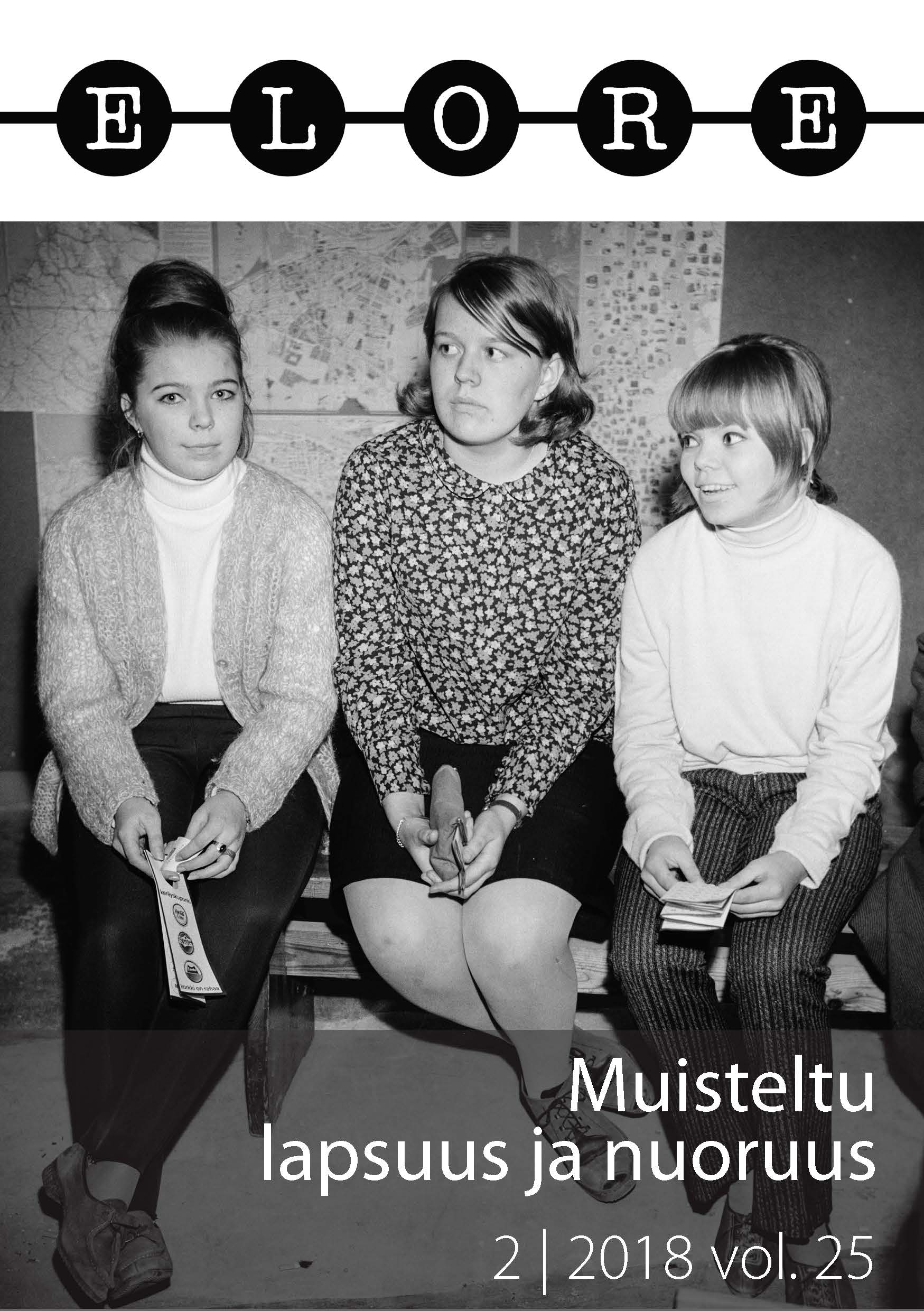
Kansikuva: Riitta Ahonen 1967. Janakkala, Kanta-Häme. Suomen valokuvataiteen museo. Kulutusosuuskuntien Keskusliiton kokoelma D1974_33_11224JxxK
Kolme nuorta Janakkalan Osuuskaupan Young Time -iltamissa. Young Time oli Kulutusosuuskuntien Keskusliiton kampanja, joka pyrki lujittamaan nuorten ja osuusliikkeiden välisiä suhteita ja osoittamaan nuorille, että heidänkin toiveensa ja ajatuksensa otetaan huomioon. Alkuperäinen kuvateksti: "Tanjasta, Reijasta ja Tarjasta oli mukava asua Turengissa ja samaa mieltä olivat myös Riitta ja Väiski ja kaikki muut. Perhe tosin mökisee kun lähtee lauantaitansseihin, mutta kestäähän sen." (Me Kuluttajat 21/1967, s. 29)
-
Ajatteleva maisema
Vol 25 Nro 1 (2018)Itämerensuomalaiset tarkastelivat maisemaa kysymysten sarjana. He lähestyivät maisemaa pienten ja suurten kysymysten muodostamana aineellisena ja aineettomana karttana, joka ylti yksittäisen ihmisen arjen arvoituksista maailman synnyn syövereihin. Claude Lévi-Straussin mukaan myytit ajattelevat meissä. Maiseman meille muovaamat arvoitukset eivät ole kadonneet jääkauden jälkeisenä aikana mihinkään.
Kun nykyihminen istuu illan tullen rantanuotiolla tai vaaran laella aamun sarastaessa, maisema tiedustelee pelkällä olemassaolollaan: mikä minä olen, mistä olen tullut, mikä minua muovaa ja miten ehkä muutun tulevaisuudessa? Mikä minun paikkani on ihmisen maailmassa?
Maisema haastaa meitä edelleen samoilla kysymyksillä kuin ajan alussa, ja jokainen sukupolvi käy niitä läpi vuorollaan, ajallaan ja tavallaan. Maiseman sisältämien kysymysten edessä ihminen on edelleen pieni ja yksinäinen olento.
-
Eletty talous
Vol 24 Nro 2 (2017)Eloren Eletty talous -teemakokonaisuuden artikkeleita yhdistää talouden tarkastelu alhaalta ylöspäin: ”kansan taloutena”, joka lymyää virallisten talouksien (kuten kansantalouden tai formaalien markkinoiden) ja asiantuntijapositioista tuotetun talouspuheen katveissa, joskus valtadiskursseihin nähden vastahankaisesti virittyen ja toisinaan taas vallalla olevia käsityksiä tukien. Keskeisessä roolissa on kysymys toimijuudesta: siitä, miten talouden eri muodot mahdollistavat toimijuuden ja millaisia toimijuuden muotoja ne tuottavat. Marja-Liisa Honkasaloa (2009, 62) seuraten voitaisiin puhua pienestä toimijuudesta, joka ulospäin näyttää niin ”vaatimattomalta ja minimaaliselta”, että se uhkaa kadota tutkijan horisontin ulottumattomiin. Kun toimijuuteen tavanomaisesti liitetään sellaisia määreitä kuin intentionaalisuus, yksilöllisyys ja rationaalisuus (Honkasalo emt.), Eeva Jokinen (2016, 87) puolestaan korostaa pienen toimijuuden arkista ja prekaaria luonnetta, jossa ihmiselon hauraus linkittyy ”historiallisiin, yhteiskunnallisiin, poliittisiin ja taloudellisiin konstellaatioihin”. Nähdäksemme näiden konstellaatioiden luonnetta voidaan hedelmällisesti valottaa juuri taloudelliseen toimintaan liittyvien konkreettisten käytäntöjen ja niiden arkisen etiikan tutkimisen kautta.
-

Vol 24 Nro 1 (2017)
Kevään Eloren kolme vertaisarvioitua artikkelia tarjoavat monipuolisen kattauksen. Katriina Hulkkonen tarkastelee toisilta olemisen tasoilta tietoa välittäviä yrittäjiä ja heidän kokemuksiaan henkisyyden ja yrittäjyyden yhteensovittamisesta. Juha Ridanpään artikkelissa puolestaan pohditaan huumorin merkitystä meänkielisten tilallisen identiteetin rakentumisessa. Kristiina Korjonen-Kuusipuron sekä Anna-Kaisa Kuusisto-Arposen artikkeli hahmottaa Karjala-muistelun kehollisia ja materiaalisia ulottuvuuksia, muisteluun liittyvien käytäntöjä sekä hiljaisuuksia kotiseutumatkalta kerätyn etnografisen aineiston pohjalta. Vertaisarvioitujen artikkelien lisäksi kevään Elore sisältää Janne Saarikiven pyhän käsitettä ja sen alkuperää käsittelevän katsauksen. Tuttuun tapaan mukana on myös ajankohtaista-osio, joka tällä kertaa sisältää useita kiinnostavia lektioita, sekä arvioita alojemme uusimmasta kirjallisuudesta.
-

(Ei teemaa)
Vol 23 Nro 2 (2016)Suomen Kansantietouden Tutkijain Seura järjesti keväällä 2016 Jyväskylässä kevätkoulun, jonka teemana oli selviytyminen. Tieteellisille seminaareille epätyypillisempään tapaan tutkijat keskittyivät puheenvuoroissaan varsinaisten tutkimusaiheidensa tai -tulostensa sijaan kuvaamaan tutkijanpolkujaan. Seminaarin henki oli myönteinen, voimauttavaksikin sitä voisi kutsua, vaikka arvattavasti myös tutkijanelämän kielteiset puolet nousivat esiin. Niitä ovat itsestään selvästi toimeentulon haasteet ja kiristyvä hakupaine, mutta myös muut tekijät: perheen ja työn yhdistäminen, vaikeat ja traumatisoivat tutkimusaiheet sekä vierailla kentillä liikkuminen. Tutkijan työssä on oltava jotakin vetovoimaista, jotta silti haluamme jatkaa. Ja niin siinä onkin. Humanistinen tutkimus on arvokasta ja itsessään merkityksellistä. Lisäksi sen yhteiskunnallinen potentiaali on suuri.
Eloren uunituore numero on jälleen kerran elävä osoitus humanistisen tutkimuksen ajankohtaisuudesta ja elinvoimaisuudesta sekä vapaaehtoisvoimin työskentelevän toimituksen pyyteettömästä halusta saattaa tutkimustieto parhaassa mahdollisessa muodossa julkaistuksi ja avoimesti saatavaksi. Tällä kertaa julkaistavat kaikki kolme vertaisarvioitua artikkelia kytkeytyvät ajankohtaisiin aiheisiin: pakolaistaustaisten naisten työelämään liittyvään identiteettityöhön, vanhempien tiedon ja asiantuntevuuden asemaan erityislasten hoidossa sekä suomenruotsalaisen poliitikon mediakuvan stereotypisointiin. Artikkeleiden lisäksi numero sisältää yhden katsauksen sekä runsaan valikoiman ajankohtaisia kirjoituksia ja kirja-arvioita.
-

Hulluus
Vol 23 Nro 1 (2016)Hulluus käsitteenä ja ilmiönä on lavea ja monimerkityksinen. Se on kattokäsite monenlaisille inhimillisen toiminnan ja olemisen muodoille, jotka kussakin historiallisessa, sosiaalisessa ja kulttuurisessa kontekstissa on koettu tai koetaan tavallisuudesta poikkeaviksi, oudoiksi tai käsittämättömiksi. Hulluudessa ei ole kyse vain mielisairaudesta ja sen merkityksellistämisestä vaan monenlaisesta poikkeavuudesta, jonka ymmärtäminen on eri aikoina ja eri paikoissa ollut epäselvää ja vaihtelevaa. Hulluus voidaankin ymmärtää sosiaaliseen konstruktionismiin pohjautuvaksi käsitteeksi ja ilmiöksi, johon kohdistuvassa tutkimuksessa esimerkiksi länsimaisen lääketieteen ja psykiatrian tavat kohdata, käsitellä ja nimetä poikkeavaksi katsottua käyttäytymistä nähdään vain yhdeksi mahdolliseksi tulkintakehikoksi, joka sekin on aina vuorovaikutuksessa laajempaan sosiaaliseen ja kulttuuriseen todellisuuteen.
-

(Ei teemaa)
Vol 22 Nro 2 (2015)Vaikka tämä Elore ei olekaan suunniteltu teemanumero, sen artikkelit käsittelevät teemoja, jotka kytkeytyvät monin tavoin ajankohtaiseen keskustelunaiheeseen niin Suomessa kuin koko Euroopassakin: kansallisuuteen, kansallisuuden tuottamiseen ja toiseuden tuottamiseen kansallisissa representaatioissa. Näistä aiheista keskustellaan nyt monenlaisilla foorumeilla ja kaikenlaisilla äänensävyillä. Voimme todeta, että perinteen- ja kulttuurintutkijat tarjoavat aiheeseen uusia kiinnostavia näkökulmia ja ovat omalta osaltaan purkamassa ja uudelleen tuottamassa näiden käsitteiden käyttökonteksteja ja merkityksiä.
-
Mytologia ja runous
Vol 22 Nro 1 (2015)Mythologia Fennican alkusanoissa Christfried Ganander viitoittaa opintien kalevalamittaisen runon lukijalle seuraavin sanoin:
"Voidaksemme käyttää vanhaa suomalaista runoutta, lukea suomalaisia runoja hyödyksi, huviksi ja maulla sekä löytää niissä ylevyyttä, kauneutta ja valloittavuutta, on mytologinen tieto väistämättömän tarpeellista. Suomalainen mytologia on suomalaisen runouden avain (clavis poëseos Fennicæ)." (Ganander 1984, esipuhe.)
Ohje pätee kaikkien runotraditioiden, niin suullisten kuin kirjallistenkin, tulkintayrityksiin. Runous ja mytologia ovat arvovaltaisia diskursseja. Ne ovat merkittyjä ja voimakkaasti latautuneita ilmaisu- ja viestintäkanavia, jotka erottuvat arkipäiväisestä. Suullinen runous on konventionalisoitu kielellisen ilmaisun väline, joka erottuu normaalipuheesta selkeästi esteettisen muotonsa vuoksi. Mytologia puolestaan on symbolien tasolla toimiva konventionalisoitu ilmaisukanava, joka mallintaa maailmaa yhteisöllisesti merkityksellisellä tavalla. Tämä erottaa sen muista symbolijärjestelmistä. Sekä runous että mytologia ovat inhimillisen luovuuden ja mielikuvituksen peruskanavia, jotka linkittyvät toisiinsa monin tavoin. Erityiset tietosisällöt, kuten mytologinen tietous, välitetään erityisillä ilmaisuvälineillä, kuten runokielellä, jonka puitteissa sitä ei ainoastaan uusinneta vaan myös muokataan. Käsillä oleva teemanumero Mytologia ja runous tarkastelee, miten mytologia ja runous elävät toisistaan tekstuaalisissa ja rituaalisissa käytänteissä. Mytologia on avain runon ymmärtämiseen – clavis poëseos – mutta myös toisinpäin: mytologiaa ei voi ymmärtää irrallaan poeettisen ilmaisun tyyleistä, muodoista ja esteettisistä keinoista.
-

(Ei teemaa)
Vol 21 Nro 2 (2014)Tässä Eloressa kuljetaan tieteiden välissä niin artikkeleissa kuin muissakin teksteissä. Lehden neljä artikkelia eivät asetu helposti instituutioiden ytimiin, vaan hyödyntävät niiden kohtaavia reunapintoja: Venla Sykärin improvisoitua räppiä käsittelevä artikkeli liikkuu lyriikan, runokielen ja musiikillisen ilmaisun rajoilla. Pasi Saarimäki kulkee monitieteisellä historiallisia egodokumentteja tulkitsevalla kentällä. Kari Korolainen yhdistää etnologian ja folkloristiikan tutkimushistorian ja piirrokset. Eerika Koskinen-Koivisto pohtii työväen historiaan ja elämäkerrontaan liittyvän aineiston hankinnan dialogisia merkityksiä. Yhtä kirjavan kuvan alastamme antavat ajankohtaiset tekstit ja kirja-arviot, joissa heijastuu tutkijoiden edestakainen liike keskustan ja periferian välillä. Riemukas soppa – nautitaan hitaasti!
-
Vähemmistöt
Vol 21 Nro 1 (2014)Eloren Vähemmistöt-teemanumeron lähtökohtana kirjoituskutsua laadittaessa olivat marginaalit, ja vähemmistöjen liittäminen marginaaleihin oli tietoisen provosoivaa. Vähemmistöjen liittäminen marginaaliin aiheuttaa epämukavia kysymyksiä siitä, kuka loi asetelman, missä on keskus ja mitä siellä on. Vastaavasti voidaan myös kysyä, ovatko vähemmistöt marginaalissa tai haluavatko vähemmistöt äänensä kuuluviin juuri vähemmistöinä tai osana marginaalia.
Kulttuureja ja yhteisöjä on nykytutkimuksessa tapana hahmottaa niiden sisältä käsin. Tällöin tutkija tulee helposti havainneeksi, että yhteisöt ovat keskipakoisia ilmiöitä, jotka ovat omien maailmojensa keskuksia. Tai toisaalta hahmotettuna: maailman keskus sijaitsee jokaisen yhteisön keskuudessa tai keskellä. Sijaitsivatpa yhteisöt maailman maantieteellisillä rajoilla, vallan keskittymien ulkopuolella, köyhyyden rajamailla tahi hajallaan ja liikkeessä, niiden hahmottamiseksi on oletettava jotain sidosaineista, jotta ne olisivat yhteisöjä. Perinne on tällainen sidosaine, mutta sen rooli yhteisöjen synnyssä ja niiden olemassa olossa on monitahoinen: perinne ei vain heijasta yhteisöllisyyttä, se on myös yhteisöllisyyden rajaamisen, siitä keskustelemisen ja kiistelyn areena sekä väline, jonka avulla yhteisöllisyyttä voidaan esittää. Perinne ei aina ole keskuksessa.
-

(Ei teemaa)
Vol 20 Nro 2 (2013)Nyt käsillä olevan Eloren tutkimusartikkeleissa syvennytään suomalaiseen kulttuuri- ympäristöön liittyviin aiheisiin. Vaikka artikkelien aineistot on kerätty aivan äskettäin joko kenttätöissä tahi sanomalehdistä, ulottuvat tulkinnan horisontit perinnetieteille totunnaiseen tapaan menneestä löytyviin jatkuvuuksiin. Heidi Haapojan artikkelin jatkuvuudet ovat omaan alaamme liittyvissä keskusteluissa perinteestä. Anna Kinnunen taas tarkastelee artikkelissaan, miten mielikuvien jatkuvuuksia kiistetään implisiittisesti mielisairautta koskevissa haastatteluissa.
-
Eläimet kulttuurissa
Vol 20 Nro 1 (2013)Yhteiskunta- ja kulttuuritieteellinen eläintutkimus (human-animal studies) on kansain- välisesti vakiintunut, monitieteinen ja monimenetelmäinen tutkimusala, jota yhdistää teoreettisten ja menetelmällisten lähestymistapojen sijaan ennen kaikkea tutkimus- kohde: ihmisen ja eläimen välinen suhde. Eläimet ovat olleet tutkimuksen kohteena ihmistieteissä aiemminkin, mutta yhteiskunta- ja kulttuuritieteellisen eläintutkimuksen näkökulmasta tarkastelun keskiöön nousee nimenomaan ihmisen ja eläimen välinensuhde, ei eläin sinänsä. Alalla tehtävä tutkimus keskittyy kuvaamaan, tulkitsemaan sekä kriittisesti tarkastelemaan esimerkiksi eläinten asemaa ja merkityksiä kulttuurissamme ja yhteiskunnassamme, eläinten representaatioita, ihmisen ja eläimen välistä vuoro- vaikutusta sekä eläinten toimijuutta. Tutkimuksen kohteet voivat olla konkreettisia tai symbolisia, todellisia tai fiktiivisiä, ja ne voivat sijoittua ajallisesti niin historiaan, nykypäivään kuin tulevaisuuteenkin. Suomessa tutkimusalalla ei ole toistaiseksi vakiintunutta nimeä, vaan siihen on viitattu puhumalla niin ihmistieteel- lisestä kuin yhteiskuntatieteellisestäkin eläintutkimuksesta hieman tutkijan omasta tieteenalasta riippuen.
-
Eminentia
Vol 19 Nro 2 (2012)Vaikka Eloren syksyn numero ei teemanumero olekaan, nyt käsillä olevassa lehdessä huomattavan moni teksti liittyy tavalla tai toisella tutkimusetiikkaan tai tutkimus- historiaan. Painavinta tutkimushistoriallista antia edustavat luonnollisesti eminentia- luennot, joiden merkeissä Suomen kansantietouden tutkijain seura juhlisti 75-vuotista taivaltaan tämän vuoden toukokuussa. Eminentialla viitattiin tilaisuuteen kutsuttujen luennoitsijoiden erinomaisuuteen ja keskeiseen asemaan kansantietouden tutkijoille tärkeiden tieteenalojen kehityksessä. Luennoissa heitä oli pyydetty pohtimaan folklo- ristiikan keskeisiä kysymyksiä omista pitkistä tutkijanurista nousevista näkökulmista. Eminentioiden pohdinnat keräsivät seminaariin monilukuisen yleisön. Tässä Eloren numerossa professori Satu Apon, Aili Nenolan ja Seppo Knuuttilan eminentia-luennot julkaistaan myös teksteinä. Näiden esitelmien lisäksi lukijat voivat tutustua SKTS:n nykyisen puheenjohtajan, Sinikka Vakimon Seuran historiaa valottavaan alustukseen ja Pekka Hakamiehen eminentia-luentoja pohtivaan kolumniin. Molemmat esiintyivät niin ikään 75-vuotisjuhlaseminaarissa.
-
Vieraita idästä
Vol 19 Nro 1 (2012)Tämän teemanumeron taustalla on sekä Suomen Akatemian rahoittama tutkimushankeVieraita idästä (engl. Strangers from the East − Narratives of Karelian Exiles andRe-immigrants from Russia Regarding their Integration in Finland) että ajatus siitä,että toisen maailmansodan jälkeen idästä Suomeen suuntautuvaa muuttoliikettä ontapahtunut nimikkeillä siirtolaisuus, maahanmuutto, paluumuutto ja siirtokarjalaisuus.

1-25 / 59
Seuraava